
The Governing Board of AISC is the collegial body responsible for the administrative and scientific direction of the Association. It is elected by the General Assembly for a three-year term and comprises the President, Vice-President, Administrator, Treasurer, and seven Councilors.
The current Board was elected for the term 2026–2028.
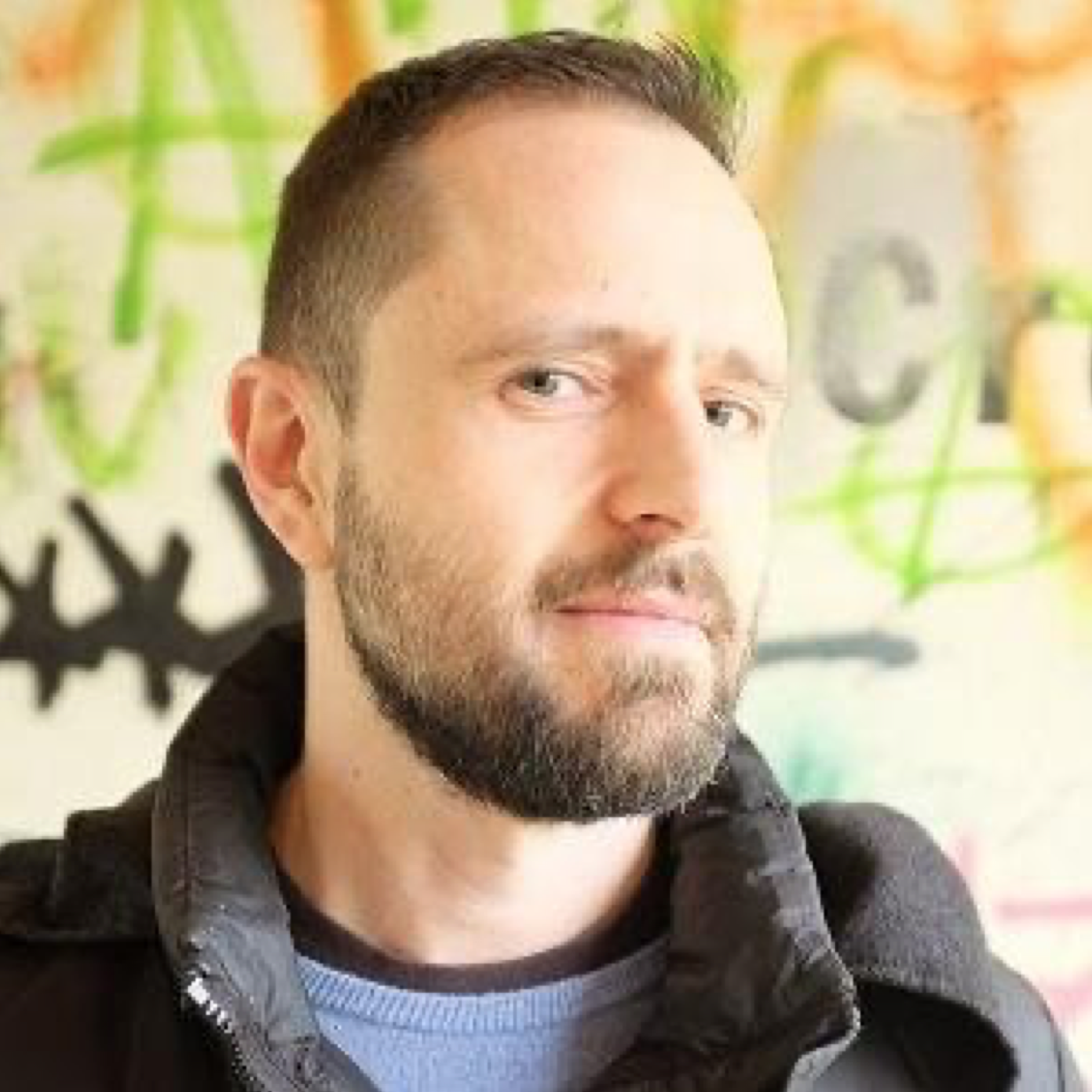
President
Edoardo Datteri
University of Milano-Bicocca
Full Professor of Logic and Philosophy of Science and Director of the Laboratory of Robotics for the Cognitive and Social Sciences. His research concerns the epistemic roles played by robots as models of individual and social behaviour, and the validity of robot-based experimental methodologies in cognitive science.

Vice-President
Claudia Mazzuca
Sapienza University of Rome
Post-doctoral Research Fellow in Psychology at Sapienza University of Rome. Her research focuses on the dynamic interaction between language and cognition, combining behavioral and psycholinguistic methodologies, with a particular interest in text mining and NLP techniques. She actively promotes Open Science principles.

Administrator
Marco Marini
ISTC-CNR, Rome
Fixed-term Researcher at ISTC-CNR and Contract Professor at Unimarconi University. His research spans experimental philosophy, neuroeconomics, and decision-making mechanisms, with work on nudges and behavioral interventions applied to public policy.

Treasurer
Antonella Tramacere
University of Roma Tre
Researcher in philosophy of biology, psychology, and neuroscience. Her work focuses on neural mechanisms of action in the evolution of consciousness and social cognition, with international collaborations including the Max Planck Institute (Leipzig), the University of Bochum, and RIKEN (Tokyo).
Councilor
Francesco Bianchini
University of Bologna
Associate Professor of Logic and Philosophy of Science and Scientific Coordinator of the Knowledge and Cognition Research Center. His research addresses the philosophical foundations of AI, simulative cognitive modelling, and the epistemic implications of large language models.

Councilor
Sara Dellantonio
University of Trento
Associate Professor in Philosophy of Science at the Department of Psychology and Cognitive Science. Co-founder of the Rivista Internazionale di Filosofia e Psicologia and Editorial Board member of Theory & Psychology. Her research focuses on the philosophy of psychology and cognitive science.
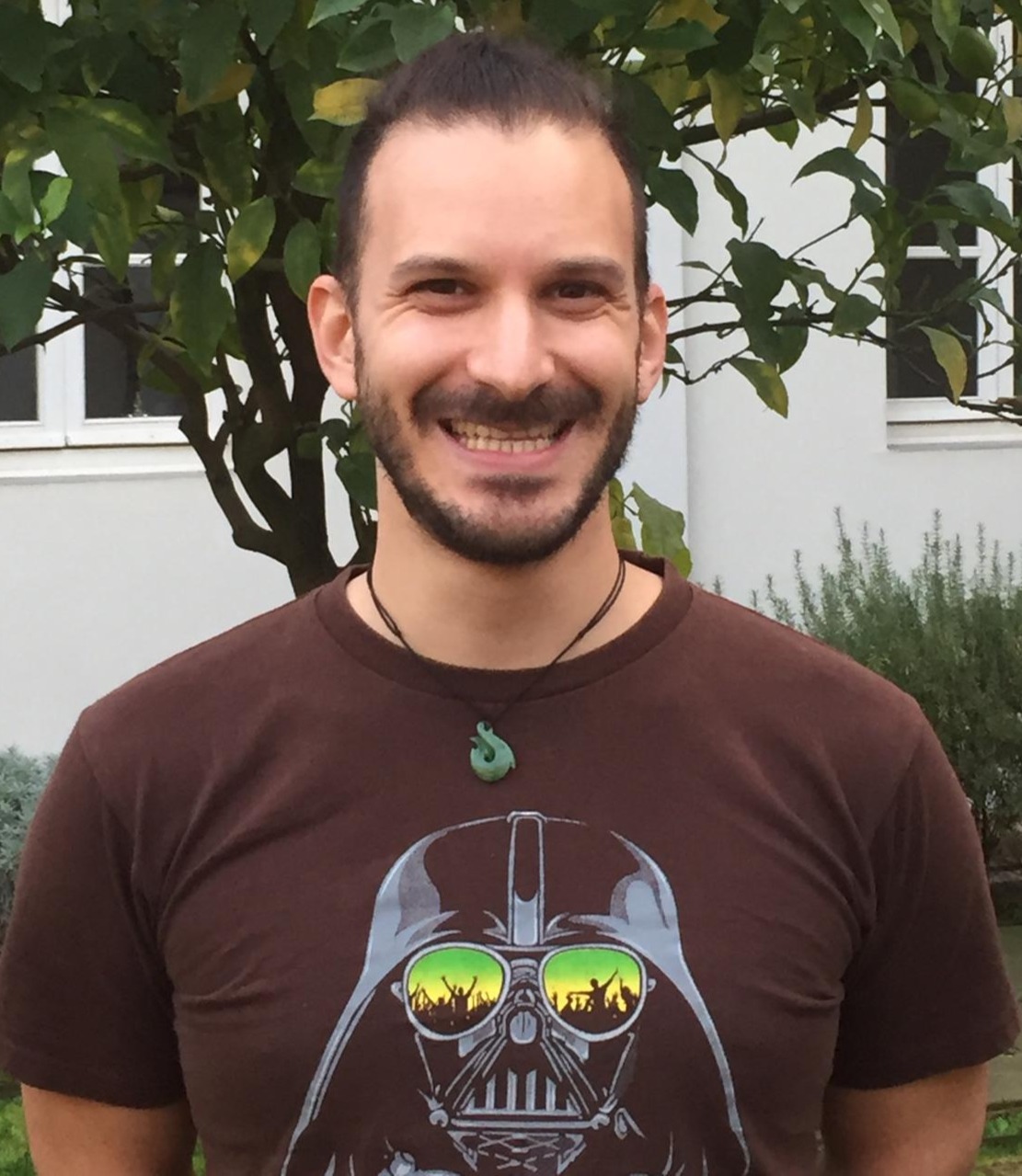
Councilor
Alessandro Demichelis
IMT School for Advanced Studies, Lucca
PhD student in Cognitive, Computational and Social Neuroscience. His research spans philosophy of science, social epistemology, and game theory, with a focus on behavioural interventions such as nudges and boosts and a developing Cognitive Science of Medicine and Pharmacology.
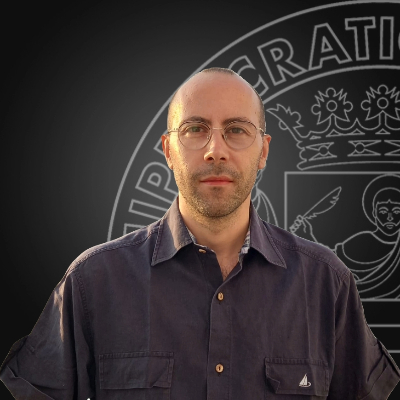
Councilor
Antonio Lieto
University of Salerno & ICAR-CNR
Associate Professor in Computer Science and director of the CIIT Lab. His research spans commonsense reasoning, cognitive architectures, and language technologies. Former Vice-President of AISC (2017–2022) and ACM Distinguished Speaker. Author of Cognitive Design for Artificial Minds (Routledge, 2021).

Councilor
Chiara Lucifora
Link Campus University, Rome
Associate Professor in Psychology. Her current research addresses creativity, social inclusion, empathy, and neuroethics. She has extensive experience applying Virtual Reality systems to cognitive science and has conducted research at institutions in Switzerland and Germany. Associate Researcher at ISTC-CNR.
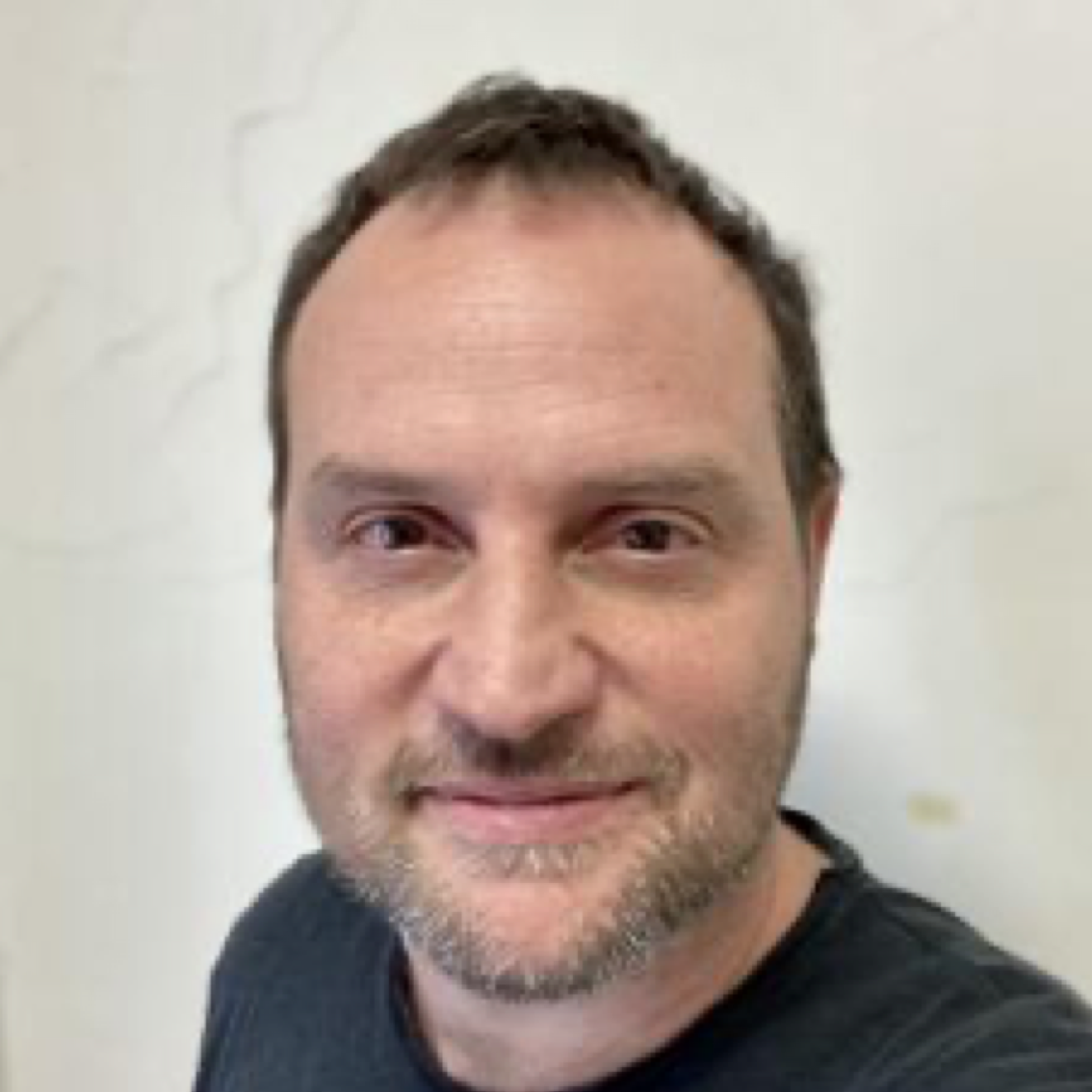
Councilor
Luca Tummolini
ISTC-CNR, Rome
Research Director at ISTC-CNR. He studies social interaction and the cognitive mechanisms enabling human coordination, with interests in abstract category representation, property norms, and formal modelling (game theory, computational modelling).
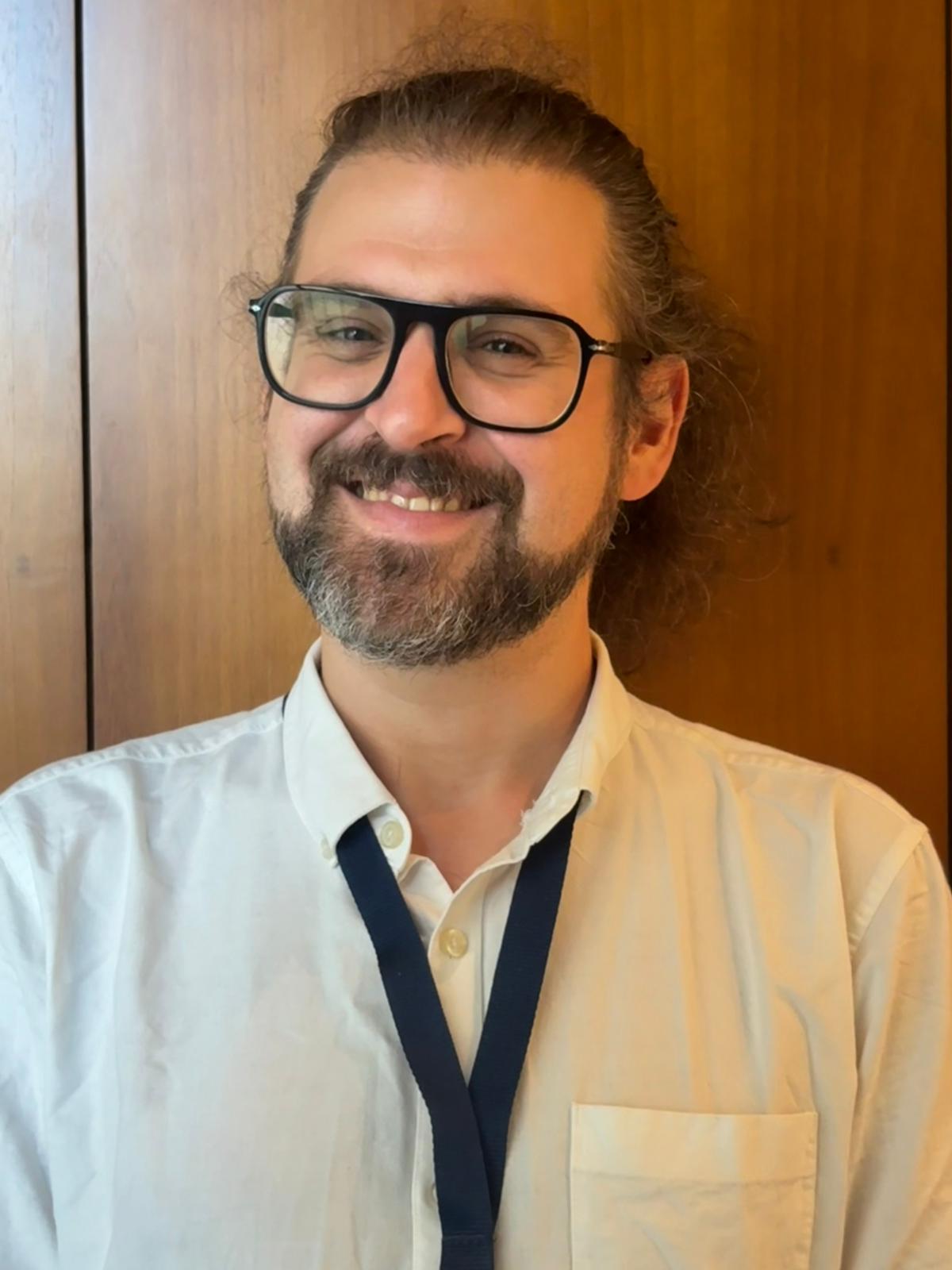
Councilor
Marco Viola
University of Roma Tre
Tenure-track researcher at the Dipartimento di Filosofia, Comunicazione e Spettacolo and co-founder of Neural Mechanisms Online. His research spans social cognition, epistemology and history of cognitive science, and social epistemology of science, integrating philosophical reflection with empirical social science.